

Obtaining a trusted and organized recovery setting is a important part of maintaining long-term sobriety. People moving from rehabilitation programs usually need stable property that encourages accountability, fellow support, and independence. Choosing the right sober living new york selection can considerably influence recovery outcomes, rendering it essential to evaluate available choices employing a data-driven and practical approach.
What Defines a High-Quality Sober Living Environment?
A professional sober living home usually follows structured guidelines made to support recovery. These homes highlight routine, obligation, and neighborhood engagement. Essential characteristics contain essential sobriety, normal house meetings, and involvement in healing programs.
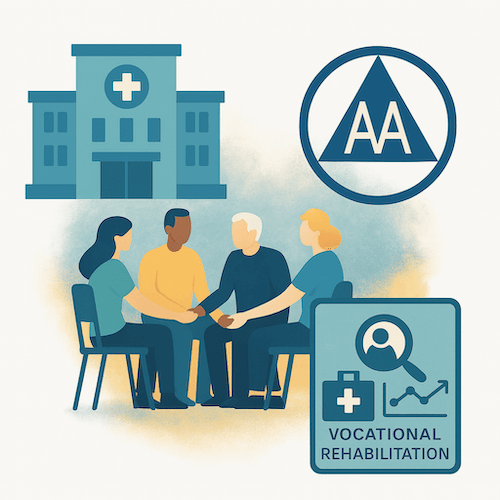
Statistics suggest that individuals who live in structured sober living situations show higher long-term sobriety charges in comparison to people who get back instantly to unstructured settings. Reliability in principles and look accountability adds considerably to these improved outcomes.
How Important Is Location and Accessibility?
Area represents a crucial position in recovery success. Distance to employment options, counseling services, and public transport increases stability. Secure neighborhoods and access to community resources also support residents in repairing their lives.
Research-based findings claim that people living in well-connected metropolitan settings tend to keep employment more effectively, which right correlates with experienced sobriety.
What Role Does Peer Support Play?
Peer conversation is one of the very most impactful facets of sober living. Living among people with similar objectives produces a provided feeling of obligation and motivation. Citizens frequently benefit from shared support and real-life accountability.
Studies show that peer-supported recovery environments can raise sobriety retention prices by around 40% compared to separated recovery approaches. This highlights the importance of community-driven recovery models.
Are Structured Rules Necessary?
Sure, structured rules are crucial for maintaining discipline and lowering relapse risks. Popular regulations contain curfews, arbitrary material testing, and necessary participation in healing meetings.
Knowledge shows that conditions with clearly enforced principles experience lower relapse incidents. Structured living provides individuals with a platform that gradually prepares them for independent living.
How Do Costs and Value Compare?
Cost is really a substantial factor, but it will always be examined alongside the worthiness provided. Affordable possibilities might not always provide the level of support needed for long-term recovery.
Statistical reviews reveal that people who purchase higher-quality sober living surroundings frequently experience better recovery outcomes, reducing long-term economic and psychological charges associated with relapse.
What Are the Success Indicators to Look For?
When considering sober living possibilities, measurable success indications include program completion charges, employment place help, and relapse reduction strategies. Translucent confirming of these metrics is usually an indication of a professionally handled residence.
Industry insights spotlight that homes providing organized programs along with living abilities teaching tend to produce more sustainable healing results.
Final Thoughts
Choosing the proper sober living environment involves careful examination of design, help methods, and measurable outcomes. A specialist, well-managed home provides the stability and guidance essential for long-term success. By focusing on evidence-based factors such as expert support, organized exercises, and convenience, persons may make informed conclusions that absolutely influence their healing journey.